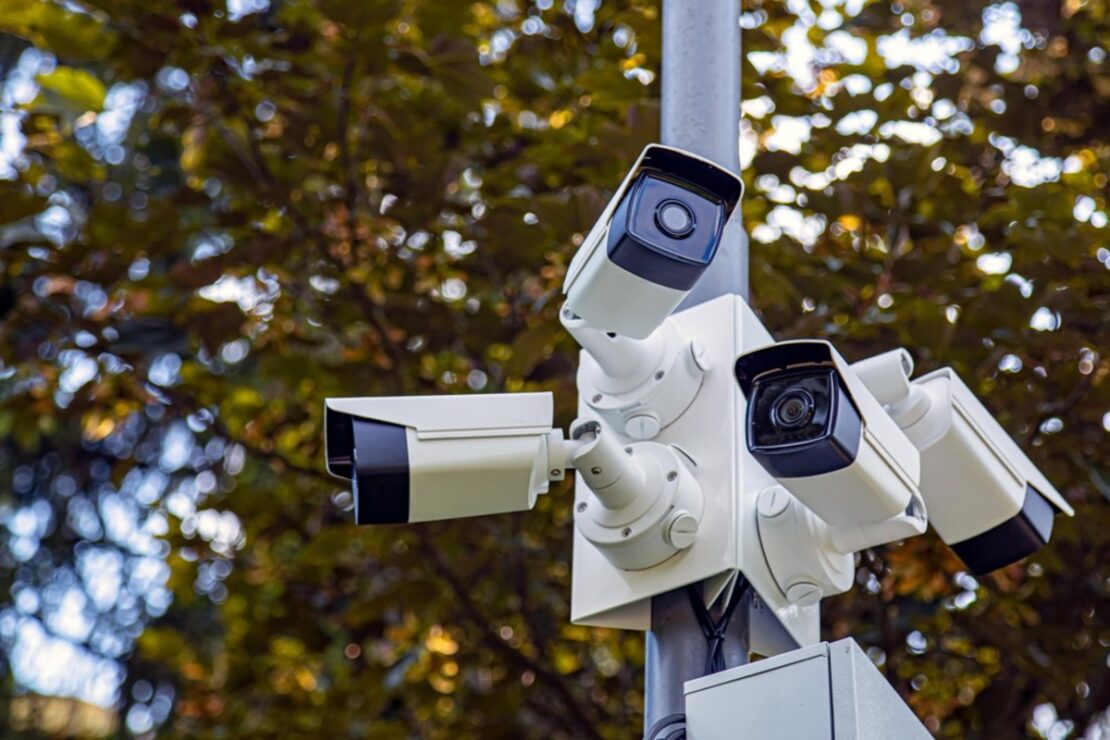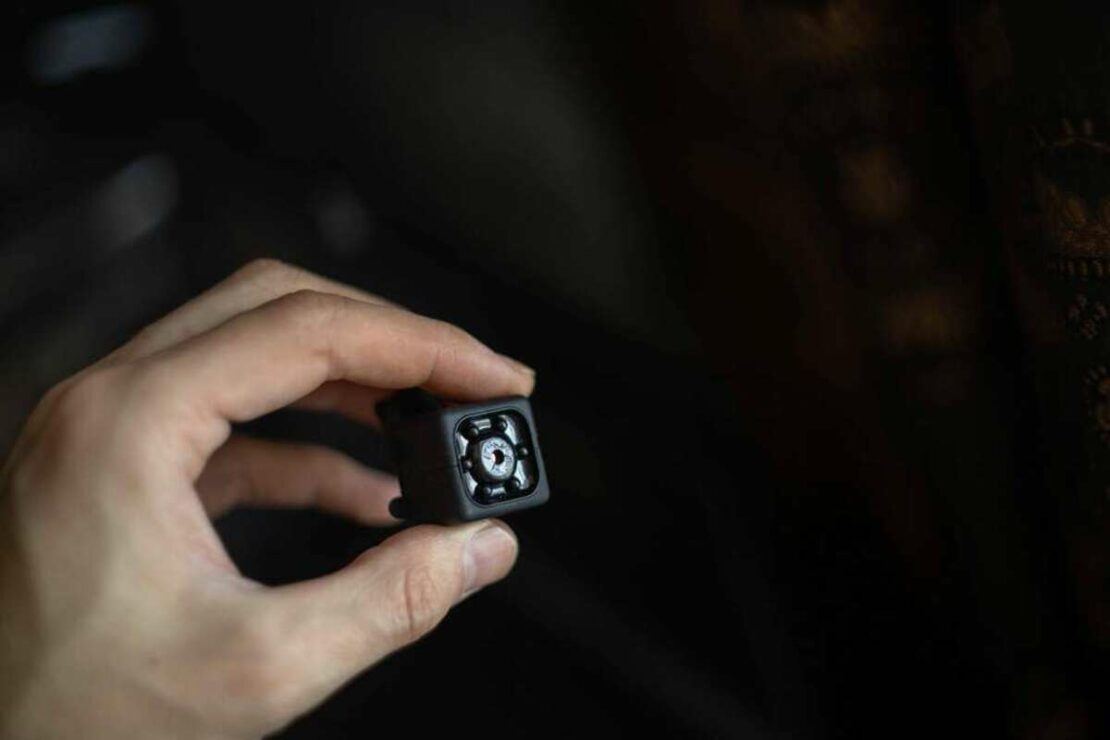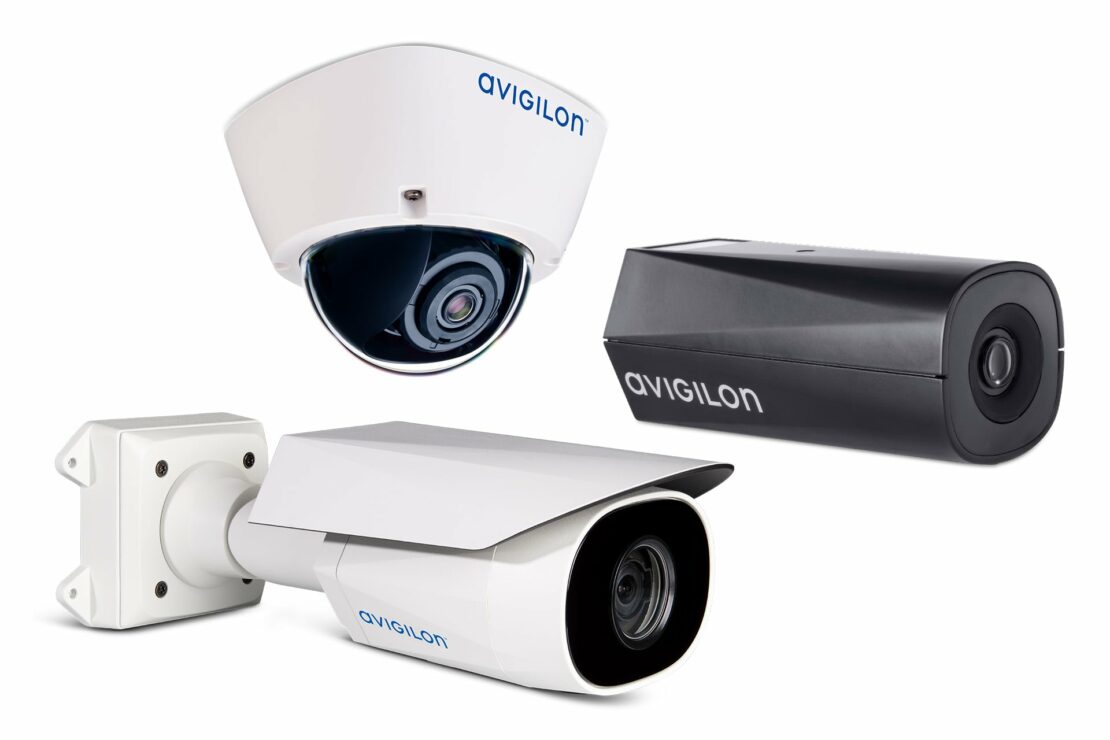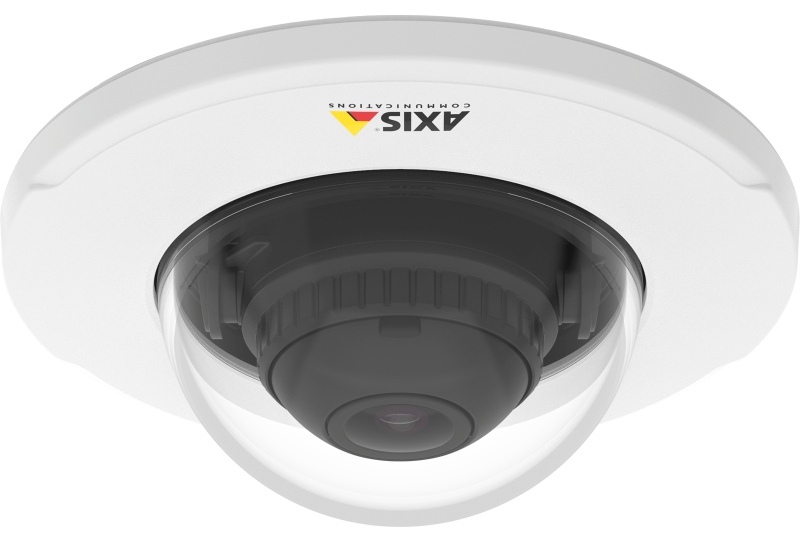
Dome CCTV cameras are some of the most popular surveillance camera options for security-focused businesses.
Due to their design, they capture surveillance footage perfectly and are hard to vandalise.
If you’re currently researching the different types of CCTV cameras, this article offers valuable insights.
In summary, we discuss the benefits, types and uses for deploying dome cameras.
Key article takeaways (TL;DR)
- Dome CCTV cameras are discreet, vandal-resistant, and ideal for indoor or public-facing areas.
- Common types include fixed dome, PTZ dome, and IR dome cameras.
- These cameras offer wide-angle views and blend easily into most environments.
- They’re popular in retail, offices, schools, and hospitality settings.
- Anti-tamper designs make them a great choice for areas prone to vandalism.
Table of contents
- What are dome CCTV cameras?
- Where are dome surveillance cameras used in a business?
- What are the benefits of these CCTV cameras?
- Comparing the benefits of installing dome CCTV cameras
- What are the different types?
- Comparing the different types of dome security cameras
- Dome CCTV cameras – a few things to consider
- Article summary
- Frequently asked questions
What are dome CCTV cameras?
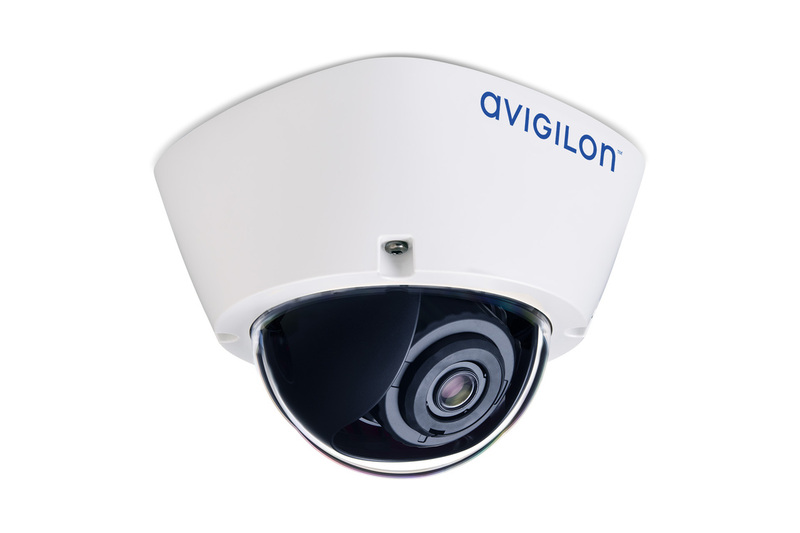
As their name suggests, they are dome-shaped surveillance cameras that form part of a business’ security cameras system. Their dome shape allows for 360-degree surveillance, providing an overt presence that can help deter criminal activity.
Additionally they provide the camera better protection against vandalism and the elements through their design and build.
Where are dome surveillance cameras used in a business?
Whether it’s external coverage, or detecting threats in low light, each type of CCTV camera has its own purpose. The primary reason for installing security cameras is to deter theft and vandalism and to collect surveillance footage.
Where crimes are committed, prosecutors can use footage in evidence where an investigation is necessary.
Dome security cameras are usually installed at business premises where security is essential, like offices, warehouses, commercial premises and at entry and exit points of hotels.
What are the benefits of these CCTV cameras?
Dome CCTV cameras offer several benefits, including:
Versatility
The design of dome CCTV cameras means they can be as discreet or noticeable depending on the requirements of the business. Because of this, these highly effective cameras can discreetly monitor activity or as part of a visible threat deterrent
Robustness
The dome casing protects the camera from extreme weather, birds, and vandalism attacks. Additionally, you can use infrared lenses to monitor sites in low-light and no-light environments.
Easy installation
For offices and commercial premises requiring a fast install. dome security cameras are a fantastic choice. They also require minimal maintenance once installed. A yearly visit from your security company, some simple cleaning, and checks will suffice.
Wide coverage options
Dome CCTV cameras are available in various lens types and viewing angles, allowing businesses to cover large open-plan areas or focus on key entry points. Whether you’re securing a reception area, warehouse floor, or external perimeter, there’s a dome camera option to match your needs.
Tamper-resistant design
The shape and casing of dome cameras make it difficult for vandals or intruders to tamper with or reposition them. Many models are also rated vandal-resistant (IK10), meaning they’re built to withstand impact and sabotage attempts — ideal for public-facing spaces.
Aesthetically unobtrusive
Unlike some traditional bullet-style cameras, dome CCTV cameras blend in with most interiors and exteriors. Their sleek, low-profile design makes them less visually intrusive, which is particularly useful in offices, schools, or retail environments where appearance matters.
Suitable for indoor and outdoor use
Whether you’re monitoring a reception desk or securing a car park, dome cameras are available in both indoor and outdoor-rated models. This flexibility means you can maintain consistent system design across the entire site without compromising on performance or protection.
Comparing the benefits of installing dome CCTV cameras
This table outlines the primary benefits of dome CCTV cameras, practical examples of how they’re used, and alternative camera types that offer similar advantages.
| Benefit | Description | Example #1 | Example #2 | Other options |
|---|---|---|---|---|
| Versatility | Can be discreet or prominent depending on positioning | Reception desk with subtle ceiling-mount dome | Visible deterrent above school entrance | Turret, mini-dome, bullet cameras |
| Robustness | Weatherproof and impact-resistant casing | Outdoor dome protecting school perimeter | Warehouse install in high-traffic loading area | Vandal-proof bullet, turret cameras |
| Easy installation | Quick to mount and low-maintenance | Office corridor install during weekend | Temporary classroom setup | Mini-dome, turret cameras |
| Wide coverage options | Various lenses support tight or wide angles | Wide-angle dome covering open-plan retail | Narrow lens dome securing school entrance | PTZ cameras, fisheye cameras |
| Tamper-resistant design | Harder to grip, move, or damage | Hallway ceiling-mounted to avoid reach | Public toilet entrance where protection is key | Vandal domes, recessed cameras |
| Aesthetically unobtrusive | Low-profile design blends with surroundings | Dome installed flush in a smart office | Discrete corner placement in meeting rooms | Mini domes, recessed ceiling cameras |
| Indoor & outdoor ready | Available for all locations with matched design | Indoor dome in stairwell | Outdoor dome at delivery bay | Turret, IP67-rated bullets |
What are the different types?
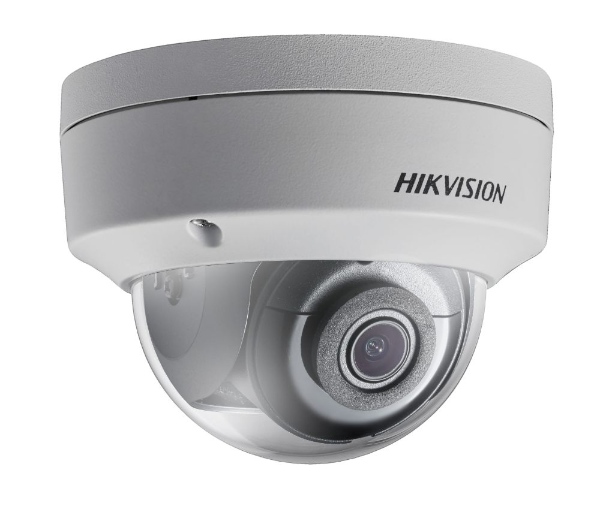
Dome CCTV cameras differ depending on their location in or connectivity options. Some of the options available include:
Outdoor dome cameras
They withstand harsh weather and other natural elements such as rain, sleet and cold temperatures, thanks to their design.
Indoor dome cameras
Well-positioned and professionally installed dome cameras, provide exceptional levels of internal surveillance. From this, you can deploy indoor dome CCTV cameras to:
- Spot incident of internal theft
- Deal with anti-social behaviour
- Resolve internal disputes
Non-IP cameras
These dome cameras connect to a DVR through a co-axial cable. Mains electricity powers them. These CCTV cameras are ‘analog’.
IP dome cameras
These dome cameras connect via an organisation’s IP infrastructure.
Once connected, they can be managed as part of an IP network, which is music to the ear of most internal IT departments!
Infrared dome cameras
Infrared-enabled dome CCTV cameras contain various IR light-emitting diodes (LEDs) that allow the camera to see in complete darkness.
These cameras offer an element of stealth. They spot intruders, while remaining undetectable.
Comparing the different types of dome security cameras
Now let’s take a closer look at each in the below comparison table.
| Type | Key Features | Benefits | Drawbacks | Best suited for |
|---|---|---|---|---|
| Outdoor Dome | Weatherproof, vandal-resistant | Reliable outdoors in all conditions | Higher cost; needs robust installation | Entrances, car parks, perimeters |
| Indoor Dome | Compact, non-weatherproof housing | Discreet and affordable | Not suitable for external use | Classrooms, corridors, offices |
| Non-IP Dome | Analog signal via coax cable | Cost-effective for existing DVR setups | Lower resolution; limited scalability | Legacy CCTV systems |
| IP Dome | Networked digital video, remote access | High resolution, flexible scaling | Higher cost; network dependent | Modern installations, smart campuses |
| Infrared Dome | IR LEDs for night vision | Performs in darkness or poor lighting | Limited detail; visible IR glow | Dark corridors, outdoor entrances |
Fixed vs. PTZ?
Wondering whether to choose fixed or PTZ dome cameras?
Here’s a quick comparison. Explore the difference between fixed-angle dome cameras and pan‑tilt‑zoom (PTZ) domes in terms of functionality and use cases.
| Type | Features | Benefits | Drawbacks | Best suited for |
|---|---|---|---|---|
| Fixed Dome | Set viewing angle; compact dome housing | Discreet; vandal-resistant; low cost | Limited coverage; no remote control | Hallways, retail, offices |
| PTZ Dome | Remote pan/tilt/zoom, presets | Wide area coverage; manually controlled | Higher cost; mechanical wear; requires operator | Parking lots, large rooms, perimeters |
Indoor vs outdoor dome security cameras
Understand when to use indoor-rated versus outdoor-rated (weatherproof) dome cameras based on environmental needs and durability.
| System | Features | Benefits | Drawbacks | Best suited for |
|---|---|---|---|---|
| Indoor dome | Standard casing, no weatherproofing | Discreet, lower cost | Not weather-rated; limited use cases | Classrooms, hallways, offices |
| Outdoor dome | Weatherproof housing, vandal‑resistant | Withstands weather and vandalism | Higher cost; needs proper mounting | Entrances, playgrounds, outdoor areas |
Comparing non‑IP (analog) vs IP dome cameras
Use this table to compare analog (coaxial/DVR) dome cameras with networked IP domes to see which suits scalability and network requirements.
| System | Features | Benefits | Drawbacks | Best suited for |
|---|---|---|---|---|
| Non‑IP dome | Analog feed via coax cable | Simple install; lower upfront cost | Lower resolution; less flexibility | Small sites with existing DVR |
| IP dome | Digital over LAN/internet | High resolution; remote access; analytics | Network setup required; higher cost | Modern installs, large networks |
Dome CCTV cameras – a few things to consider
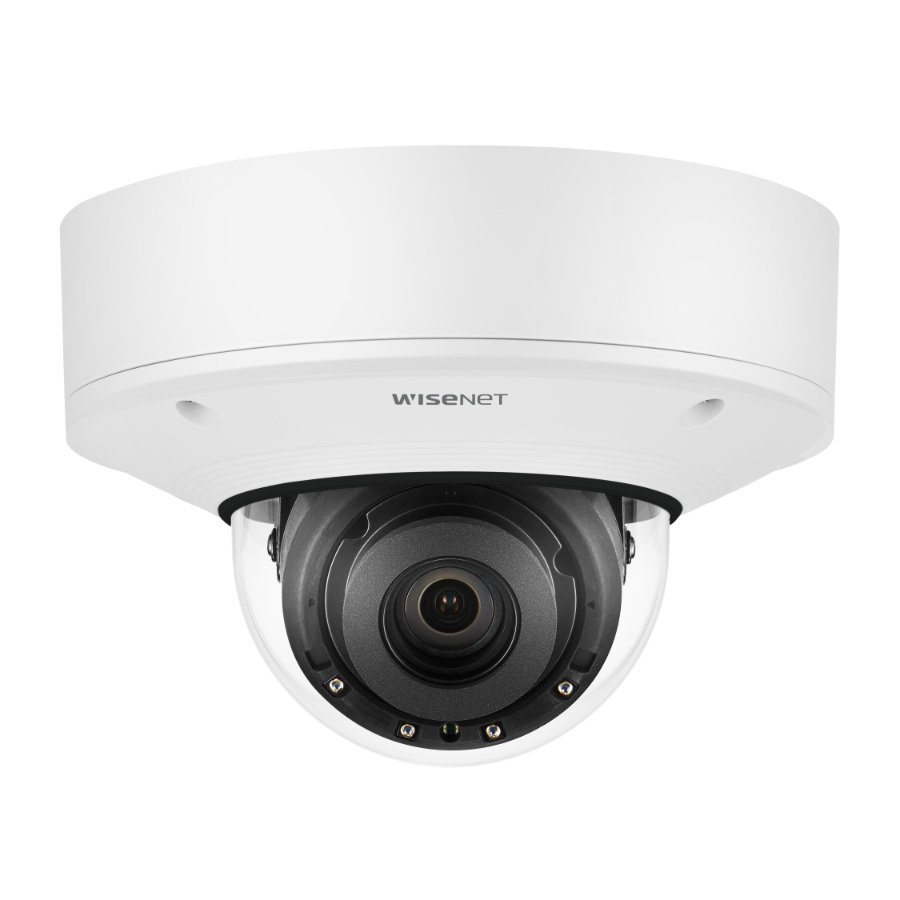
If you are thinking about installing dome CCTV cameras, there are a few things to consider:
- How many cameras are needed for the area you want to cover?
- The type of monitoring you require (discreet monitoring or overt surveillance)
- The video quality and footage storage requirements
- Any environmental or occupational hazards?
- The type of installation most suitable for your needs (cabling, supporting equipment)
Article summary
Dome CCTV cameras are versatile and easy to manage.
To summarise, you can deploy them in a range of settings, with a range of types available. Dome surveillance cameras are versatile, and robust and even come with built-in IR capabilities.
They are a great choice, but only if you pick the right ones for your premises. To deliver optimum security, CCTV systems typically compromise of multiple cameras including:
- Turret cameras
- PTZ cameras
- Bullet cameras
- Corner cameras
If you are in the process of considering your security system options, talk to us today by calling 0800 689 1835 or visiting our page dedicated to commercial CCTV.
Frequently asked questions
Dome CCTV cameras are typically used in public or indoor areas such as offices, retail stores, schools, and receptions. Their discreet design helps them blend into the environment, making them ideal for monitoring without drawing unwanted attention.
Dome cameras are tamper-resistant, discreet, and provide a wide field of view. Their protective casing prevents easy interference with the lens, while their unobtrusive design makes them less noticeable—perfect for environments needing professional but subtle surveillance.
It depends on the application. Dome cameras are more discreet and vandal-resistant, ideal for indoor or customer-facing areas. Bullet or turret cameras offer better infrared performance and are typically preferred outdoors where visibility and deterrence are priorities.
Yes, weatherproof dome cameras with IP-rated housings can be used outdoors. However, they’re generally more common indoors, as their design is best suited to vandal protection and aesthetic integration in offices, retail units, and communal areas.
Popular types include fixed dome cameras, which offer a set viewing angle; PTZ (pan-tilt-zoom) domes for remote control; and infrared (IR) domes, which offer superior low-light performance for 24/7 indoor or outdoor monitoring.
Their tough outer casing and enclosed lens make it harder for vandals to tamper with or redirect the camera. Some models also feature reinforced housings rated for impact resistance, ideal for use in high-risk or unsupervised areas.
They’re widely used in schools, retail spaces, office buildings, hospitality venues, and healthcare settings. Anywhere requiring unobtrusive surveillance with reliable image quality and strong protection from tampering is a suitable location for dome CCTV.

Safeguard Systems has been helping business protecting their assets for over 10 years. We offer a comprehensive framework designed to protect businesses' valuable assets, like surveillance cameras and access control systems to advanced perimeter security and reliable security alarms systems. The goal is to create a multi-layered defence mechanism that can detect, prevent, and respond to various threats effectively before a crime happens. By doing so, businesses can mitigate risks and ensure that their operations run smoothly. Find out more here.