In this article, we focus on the 10 main benefits of installing security systems for schools. From deterring vandalism to catching thieves, a well-designed school security system can help create a safer and more secure learning environment.
It’s an unfortunate truth, that schools are exposed to a number of security threats. As a result, knowing about the benefits of security systems for schools is key.
In today’s guide, we cover ten different benefits of using security systems in schools.
When it comes to protecting people and equipment, schools often need guidance on how best to secure their sites.
With an ever growing number of security threats facing schools across the country, knowing the right solutions to deploy can be incredibly challenging.
Key article takeaways (TL;DR)
- School security systems protect pupils, staff, and assets from threats like intruders, theft, and vandalism.
- Access control, CCTV, alarms, and perimeter detection form the foundation of most school security setups.
- These systems support safeguarding obligations and improve emergency response.
- Modern solutions offer real-time monitoring and integrate with lockdown procedures.
- Effective security creates peace of mind for parents, governors, and leadership teams.
School security system benefits – table of contents
- 1. Deterring theft and vandalism
- 2. Enhancing the safety of staff and pupils
- 3. Improving response rates for emergencies
- 4. Helping investigate incidents
- 5. Improving peace of mind for staff and pupils
- 6. Regulating who can enter the school
- 7. Keeping valuables safe
- 8. Monitoring anti-social behaviour
- 9. Improved monitoring of behaviour and activity
- 10. Protection Against Legal/Insurance Claims
- Conclusion: 10 School security system benefits
- Frequently asked questions
1. Deterring theft and vandalism
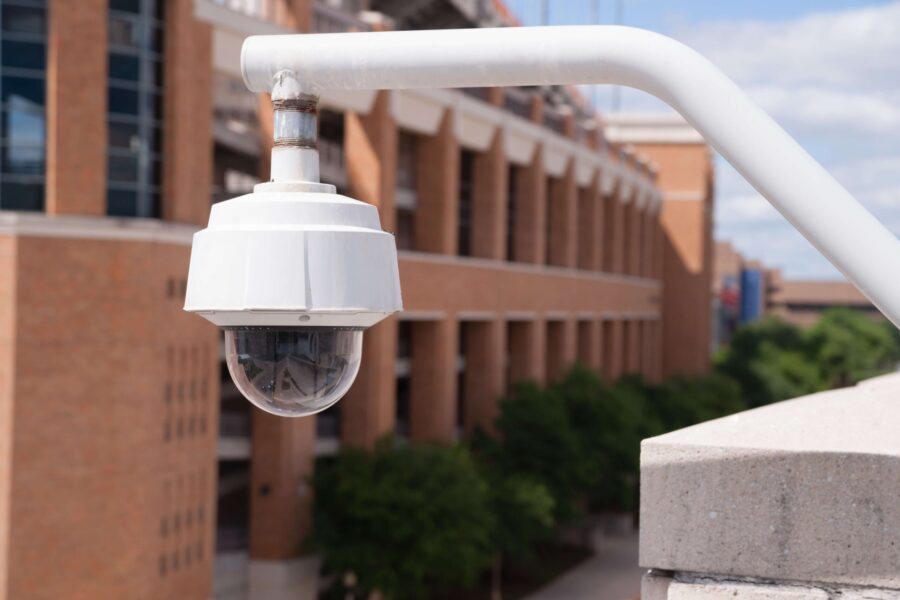
CCTV cameras act as a deterrent to theft and vandalism by increasing the visibility and presence of these key security systems.
Would-be thieves and trespassers who sot visible surveillance cameras will be discouraged from engaging in criminal activity.
Additionally, having a surveillance camera system in place makes it easier for the school to take any action if a crime does occur.
All in all, installing CCTV cameras is one the best ways to improve security in your school.
2. Enhancing the safety of staff and pupils
It goes without saying that the more security measures in place, the better the safety of the school will be.
CCTV can help monitor incidents such as antisocial behaviour or bullying, while access control systems ensure only those meant to be in the school are on site.
Every security measure in place serves a specific purpose, but they all combine to improve the safety of everybody in the school.
3. Improving response rates for emergencies
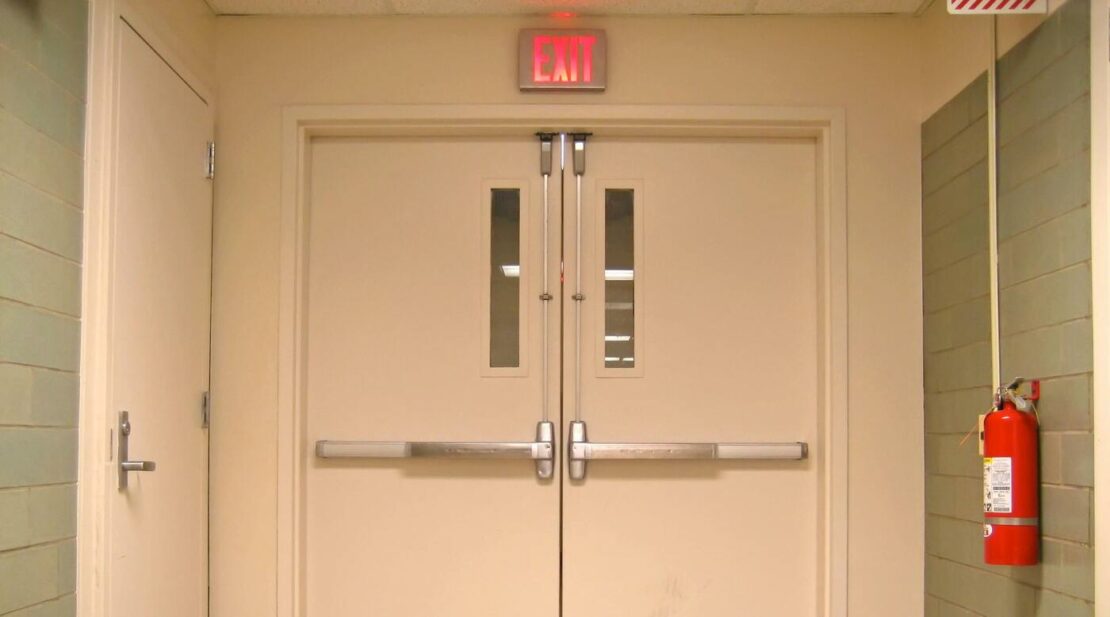
In the event of emergencies such as a fire, or an intruder gaining access to the school, effective security systems can decide the outcome of events.
With cameras, alarms and other security measures in place, school staff can quickly identify and address potential threats.
Additionally, security systems can integrate with emergency response protocols to ensure a rapid response.
For example, a school’s intruder alarm being triggered sending an instant alert to the nearest Police station.
Furthermore, a well-designed CCTV monitoring system will ensure crimes are spotted in real time and action can be taken.
4. Helping investigate incidents
The presence of CCTV cameras systems in a school are key to providing a record of events.
Incidents ranging from bullying/anti-social behaviour to more extreme cases, such as assault, can occur on a daily basis at a school. Altogether, this is one of the main benefits to installing CCTV in schools.
Administrators must properly address each incident, ensuring those that must be held accountable are dealt with.
Using CCTV footage to determine who was responsible for any incident ensures that you can identify and deal with the right people.

5. Improving peace of mind for staff and pupils
The presence of security systems in a school can provide a sense of safety for those on-site.
Knowing that security measures are in place, staff, students and parents can feel confident that the school is a safe and secure environment.
Without the presence of access control, CCTV or alarms, some may not feel secure in the school environment.
The result of which could make the school community less stable.
For example, if a school’s fire drill feels unorganised to staff or pupils, some may be concerned about how a real fire emergency would be handled.
If a school doesn’t have CCTV in place, teachers and pupils may feel exposed to a range of threats.
6. Regulating who can enter the school
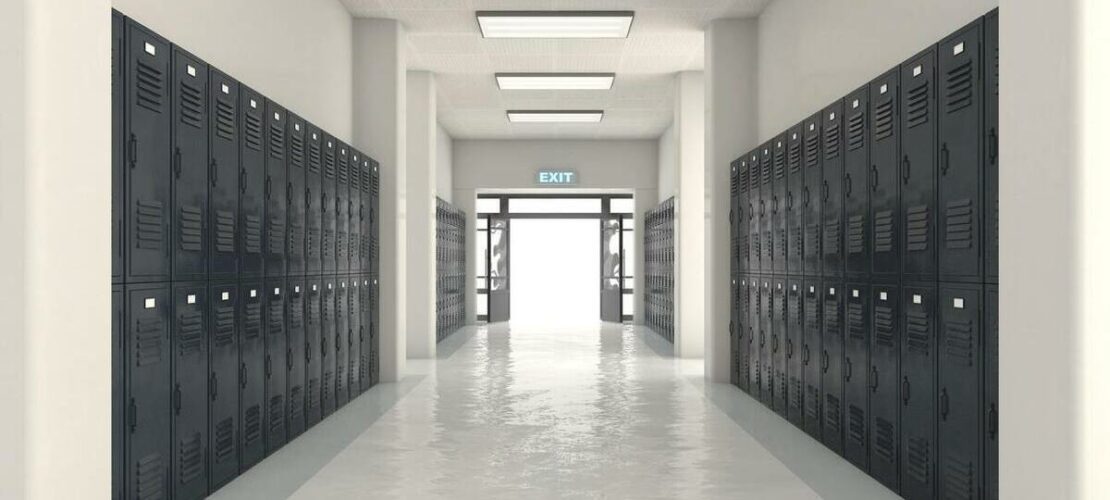
With school access control systems in place, such as ID cards, key fobs and other authentication methods, administrators can control who has access to the building.
These systems ensure only authorised individuals can enter the school during open hours.
This helps to deter intruders and ensure that the school is protected against unauthorised access, providing a higher level of security for students, staff and resources.
Related reading: A guide to access control and door entry systems in schools
7. Keeping valuables safe
Schools can hold large amounts of valuable tech, such as computers, iPads and other resources. This can tempt thieves into breaking onto school grounds and taking what they can get.
Having CCTV cameras in place allows school staff to quickly identify and respond to incidents of theft or unauthorised access.
Furthermore, restricting access to certain areas via a key fob entry system can protect IT equipment and hazardous material found in science labs.
8. Monitoring anti-social behaviour
Fights, bullying and vandalism are all too common in and around school grounds.
Not only can CCTV help identify these occurrences, allowing for faster responses, but the footage can also function as a record of which pupils are committing these acts.
This could allow the school to develop strategies or support methods to discourage this behaviour, helping to create a safer learning environment.
If bullying goes undetected or if there is a lack of evidence, the situation could become worse for the victim.
This can result in a sharp decline in mental health and absence from school.

9. Improved monitoring of behaviour and activity
Antisocial behaviour isn’t the only concern a school may have about its pupils.
Disruptive behaviour in classes and pupils congregating in areas they shouldn’t be are just some examples of how kids can cause issues during the day.
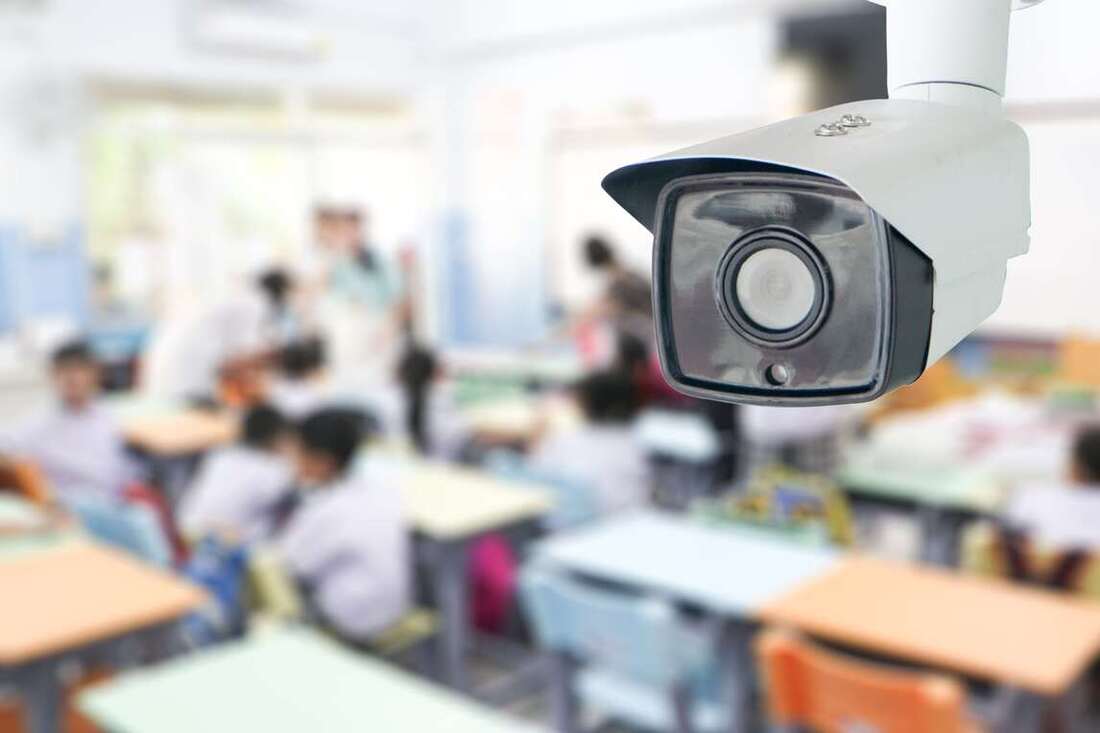
With classroom CCTV cameras, school staff can monitor this activity and take appropriate action.
Additionally, further measures such as ID cards or key fobs can be used to regulate who can enter areas of the school.
This can keep out unruly pupils from where they aren’t supposed to be, helping regulate behaviour.
Looking to detect and deal with anti-social behaviour? Find out more about our range of school CCTV camera systems.
10. Protection Against Legal/Insurance Claims
Schools can face claims for a variety of reasons, such as compensation of stolen goods or parents taking action due to staff behaviour.
Using CCTV to record and store footage, administrators can provide the evidence needed to support the school’s case.
For example, if the school cannot prove how valuable technology was stolen, they may not receive the necessary insurance pay-outs, resulting in financial loss.
Conclusion: 10 School security system benefits
Security systems are a critical component of school safety and security.
From deterring crime and vandalism to improving response times in emergency situations, the benefits of installing security systems in schools are numerous.
We hope this article has provided strong insight into the benefit of security systems in schools and will give you food for thought.
After all, a school is always better off for having a community that feels safe and secure while on site.
Looking for a new security system for your school?
Call us now on 0800 689 1835 or send us an enquiry via our contact form.
Frequently asked questions
School security systems deter intruders, prevent vandalism, and reduce the risk of theft or violence. They also improve safeguarding efforts, protect valuable equipment, and provide a visible commitment to pupil and staff safety, reassuring parents and inspectors alike.
CCTV allows staff to monitor entrances, corridors, playgrounds, and car parks in real time. It provides evidence after incidents and helps enforce behavioural standards by discouraging vandalism, bullying, or unauthorised access to restricted areas.
Access control ensures only authorised individuals enter the premises. It can be used to secure main entrances, staff-only zones, and high-risk areas. This limits external threats and improves oversight of who is on-site at any given time.
Yes. Modern systems can lock external doors and trigger alarms instantly during emergencies. Integration with lockdown procedures enables quicker responses to intrusions or threats, protecting students and staff more effectively during high-risk situations.
Absolutely. Security systems support safeguarding policies by managing site access, monitoring behaviour, and maintaining audit trails. They align with DfE guidance and provide vital evidence during investigations or inspections related to pupil welfare.
Intruder alarms protect the school out of hours by detecting break-ins or unauthorised access. When triggered, they notify keyholders or monitoring centres, reducing response time and potential damage or theft of school property.
When designed well, security systems protect without feeling intrusive. They create a calmer, more controlled atmosphere, allowing staff to focus on teaching while pupils feel safer—contributing to a more positive learning environment overall.