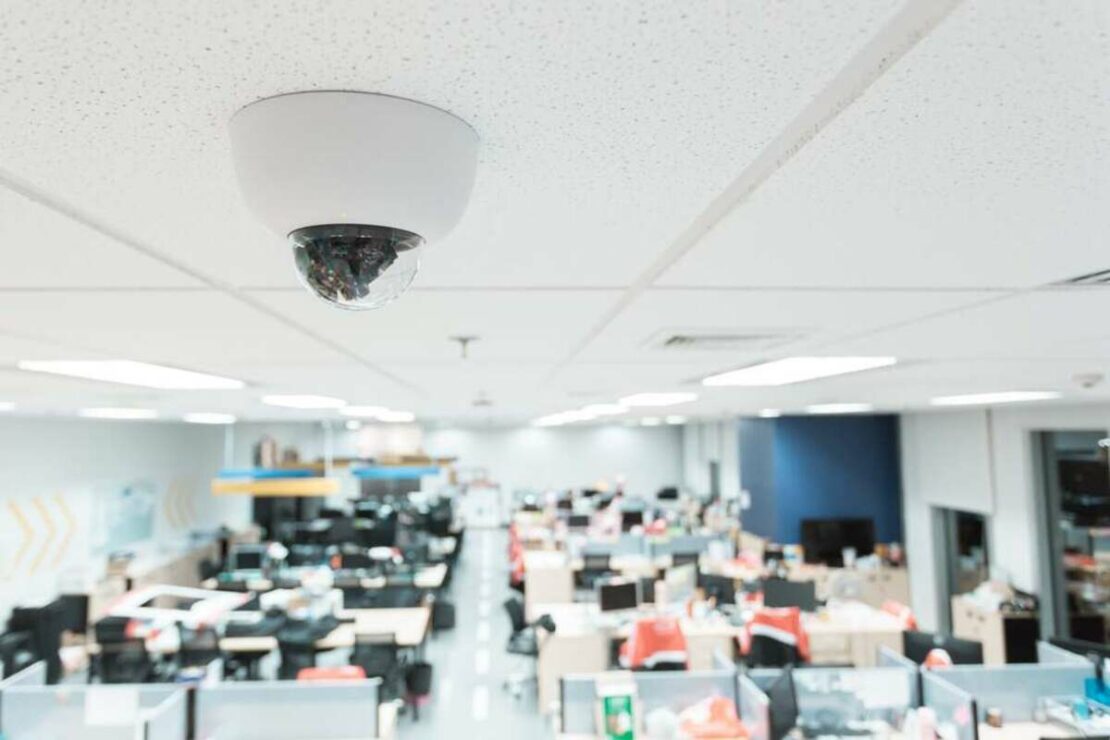
Office security threats can encompass a range of potential threats, from theft and burglary to employee misconduct.
This blog will delve into the various security threats that office-based businesses face and discuss strategies to reduce them.
All in all, this guide is here to help improve office security and upgrade the protection of staff, assets, and sensitive information.
As specialists, in office security systems, this blog is based on years of experience working in this space.
Key article takeaways
- Offices face threats including theft, vandalism, unauthorised access, and internal misconduct.
- CCTV, access control, and intruder alarms help deter, detect, and respond to security incidents.
- Internal threats, such as data theft or asset misuse, are often overlooked but costly.
- Effective office security protects staff, equipment, and sensitive business information.
- Security systems should be tailored to office layout, business operations, and risk exposure.
Table of contents
What are the different office security threats and risks?
The threats office based businesses face are broad and present their own challenges. To summarise, they are:
- Theft and burglary
- Trespassing
- Employee theft
- Workplace violence
- Theft and Burglary
- Fire and emergencies
- Sabotage
- Data protection
Let’s take a look at each.
Vandalism
Vandalism can disrupt operations and create an unwelcoming environment. That’s a good reason alone to review and improve your business security measures. Damage to company vehicles and smashed windows are things businesses shouldn’t have to deal with but unfortunately occur all too often.
Security measures such as well-lit areas, security cameras, and access restrictions can stop vandals and enhance overall safety.
Theft & burglary
Next on the list of office security risks we are discussing today are theft and burglary. Unfortunately, as specialists in office security and CCTV, we know theft and burglary are key threats to consider. Valuable equipment and confidential documents are often targets.
Installing surveillance cameras, alarm systems, and access controls can help deter potential thieves and provide evidence in the event of a breach.
Trespassing
Unwanted individuals entering the office premises pose risks ranging from property damage to unauthorised access.
Furthermore, personal injury is also a key consideration. Secure perimeters, a robust office CCTV installation and access control systems can minimise the chance of incidents, enhancing both security and employee peace of mind.
In the next few sections of this short guide to office security risks, we look at employee theft, workplace violence, and fire.
Keep reading….
Related reading: The best office CCTV cameras
Employee theft
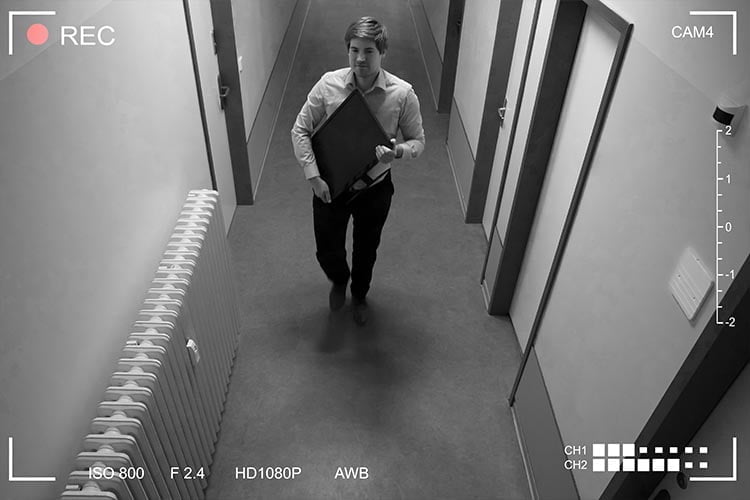
While trust is essential in the workplace, internal threats like employee theft must also be acknowledged. Implementing stringent access controls, regular inventory checks, and cultivating a transparent work culture can help prevent employee-related theft. Furthermore, covert CCTV cameras can be deployed to catch light-fingered employees.
Workplace violence
Workplace violence jeopardises both physical safety and emotional well-being and is one of the key office security risks that need addressing. Creating an open dialogue about workplace concerns, providing conflict resolution training, and fostering a supportive environment are steps toward reducing this threat.
Furthermore, CCTV cameras with built-in audio recording can help understand the nature of internal incidents and can be used to resolve issues and be used in evidence.
Fire and other emergencies
Natural disasters, such as hurricanes causing falling trees and fires can lead to chaos and potential harm. Effective emergency response plans, regular drills, and well-maintained fire safety systems are crucial in safeguarding employees and property.
Where arson is concerned, surveillance cameras fitted with night vision capabilities will help to provide situational analysis and crystal clear footage.
Unauthorised access
Unauthorised access compromises sensitive areas and data. Advanced access control and door entry solutions like video intercoms, keycards, and fob-based systems can limit entry to approved personnel, reducing the risk of unauthorised entry.
Unauthorised access can pose a significant threat to employee, customer and visitor safety.
As you can see, there are a range of office security risks those in charge of site safety need to deal with.
In the last two sections of this short guide to the different types of office security threats and risks, we look at sabotage and data protection.
Sabotage
Sabotage can be perpetrated by both internal and external actors. Establishing strong cybersecurity measures, monitoring unusual activities, and addressing employee concerns promptly can help prevent sabotage attempts.
Data Protection
Safeguarding confidential information is paramount. Encrypting data, implementing secure IT protocols, and raising employee awareness through training can fortify data protection and reduce the potential for breaches.
Summary: Office security threats & risks
To maintain a safe and secure workplace, understanding and proactively addressing office security risks is a fundamental aspect of responsible business management.
From theft and vandalism to data breaches and unauthorised access, office security encompasses a spectrum of challenges that require a range of solutions.
By embracing modern security technologies, fostering a culture of vigilance, and implementing robust policies, businesses can significantly reduce the vulnerabilities posed by these threats.
Ultimately, protecting staff, assets, and sensitive information must remain a top priority for any office-based enterprise.
Frequently asked questions
Offices commonly face threats like break-ins, vandalism, internal theft, data breaches, and unauthorised access. These risks can result in financial losses, reputational damage, and disruption to daily operations—particularly for companies storing valuable equipment or sensitive information on-site.
Installing access control systems with key fobs, biometric readers, or entry codes prevents unauthorised individuals from entering restricted areas. These systems also create audit trails, helping to manage visitors, track entry logs, and monitor staff access by zone.
CCTV systems deter theft and misconduct while also helping to investigate incidents after they occur. They provide real-time visibility over entrances, lobbies, stairwells, and shared spaces—offering reassurance to staff and valuable evidence for insurance or disciplinary actions.
Internal risks include employee theft, unauthorised data access, misuse of assets, and harassment. Security systems can monitor access, protect IT rooms, and ensure there’s evidence if misconduct arises—supporting both HR processes and legal protection.
Intruder alarms help detect and deter unauthorised access, especially outside working hours. When triggered, they alert keyholders or monitoring centres, prompting fast response and reducing the risk of equipment theft or property damage.
Yes. Security cameras and access control systems reduce risks to staff from unauthorised visitors, aggressive behaviour, or accidents. Monitoring shared spaces also encourages professional conduct and supports a safe, compliant work environment.
Use layered security: install access control on all key entry doors, monitor vulnerable areas with CCTV, and add perimeter alarms. A tailored combination of these systems ensures every potential access point is covered and risks are minimised.