
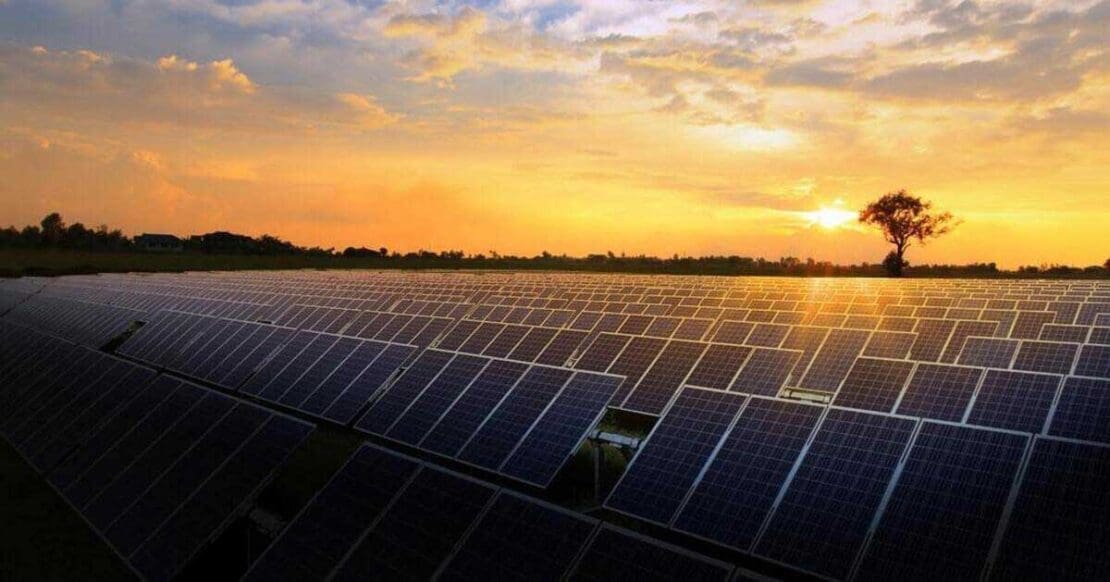
Solar energy has been a shining success in the UK’s push for renewable power. But, alongside the growth of solar installations, a trend has emerged: solar farm crime and related incidents are on the rise.
For thieves, solar farms and rooftop installations offer tempting targets, valuable panels and copper cables that can be resold, often with too little security guarding them.
For the industry and property owners, these thefts mean significant losses and setbacks. As a result, seeking the support of specialist solar farm security companies is key to protecting assets, equipment and operations.
What you will learn
- How the rate of solar farm crime has changed over the past five years
- Examples of recent solar-related thefts and vandalism across the UK
- The reasons behind the rise in panel and cable theft
- The operational and financial risks crime poses to stakeholders
- Key preventative strategies to protect solar energy assets
So, is solar farm crime theft truly increasing?
The latest data and incidents from the last 5 years paint a clear (and concerning) picture: yes, solar farm crime, panel theft, pilfered cabling and associated incidents are surging.
All in all, there has been a rise in both frequency and sophistication. In this article, we’ll review:
- Crimes impacting solar farms
- The impact on operations
We will also explore why it’s happening and what it means for solar stakeholders.
Examples of criminal incidents and concerns impacting renewable energy sites
Multiple sources confirm that the past year (2024 into early 2025) has seen unprecedented levels of solar equipment theft in the UK.
With the government setting out new measures to achieve its clean energy targets by 2030, now is the time to ensure your solar farms are protected against panel theft
Here are a few examples.
Bid to install extensive CCTV at vandal-hit Holsworthy solar farm
Sunsave 12 Ltd has submitted a planning application to install 56 pole-mounted CCTV cameras around the 34-acre Derriton Field solar farm in Pyworthy, Devon.
This initiative follows recent break-ins and vandalism at the site.
The proposed system aims to especially improve security and staff safety, with cameras positioned within the existing fence line and set back from hedgerows to minimize ecological impact.
The green-coated cameras will be linked via underground cables, utilizing the site’s current infrastructure.
Torridge District Council will review the application in the coming weeks
High value theft from UK solar farm
Police in Lancaster are appealing for information following a high-value cable theft from a solar farm on Hazelrigg Lane.
The incident occurred overnight between Saturday, April 12, and Sunday, April 13, 2025.
Due to the scale of the theft, it is believed that large vehicles and multiple individuals were involved.
Solar farms report ‘unprecedented’ surge in cable thefts
Last year (2024) saw a significant surge in cable thefts being reported at UK solar farms, with over 750 kilometres of cable stolen between January and August 2024.
In the first eight months of 2024, over 70 theft incidents were reported, with more than 20% involving cable thefts of at least 20 kilometres in length.
As an experienced UK solar farm CCTV monitoring company, at Safeguard Systems we strongly recommend the need for site operators to immediately review their security measure to spot gaps in their quest to deter and detect intrusions.
Is this a new trend?
In short, no. Take a look at a handful of examples of solar farm theft, intrusion and crimes impacting sites across the UK over the past 7 years:
- Northumberland solar farm could be targeted by organised crime gangs
- Thieves rip 100 solar panels, inverters from Lincolnshire install
- Man arrested and £100,000 of stolen panels recovered by West Mercia officers
- Solar panels worth more than £10,000 stolen from energy farm
Spike in Early 2025
The trend did not slow entering 2025 – quite the opposite. In the first quarter of 2025, a rash of solar farm break-ins made headlines. March and April 2025 saw a “significant rise” in thefts at UK solar projects, with 11 incidents reported in those two months compared to just 3 in the previous month of February.
This cluster of crimes hit sites across multiple counties including:
- Dorset
- Sussex
- Essex
- Derbyshire
- Lancashire
- Worcestershire
- Staffordshire
Altogether, this highlights just how widespread the issue has become.
Why solar farm theft is increasing – key factors
Understanding the drivers behind this trend is essential. Several factors have converged to make solar installations an attractive target recently.
High Resale Value and Demand
Solar panels and copper cables fetch good prices on the illegal market. A new solar panel can cost £200-£300 or more; even used, they can be sold domestically or exported.
All in all, there’s a global demand for affordable panels as renewables expand in developing regions.
Stolen UK panels have surfaced in illegal markets abroad, as seen in cases where hundreds of panels vanished and authorities suspected they were shipped overseas to be resold.
Copper, meanwhile, has seen price spikes making the scrap value of stolen cabling extremely high. Thieves view solar farms as mines to extract “solar gold” – i.e., copper and silicon.
The rise of new UK solar farms
Simply put, there are more targets than ever.
The UK’s solar capacity has grown, with more large-scale farms and countless smaller commercial and even residential installations.
Since 2024, the UK has approved a substantial number of new solar farms, reflecting a significant push towards expanding renewable energy infrastructure.
Approved solar projects since 2024
In 2024 alone, the UK granted planning permission for 592 solar photovoltaic (PV) projects, marking the third-highest annual total in the past 15 years.
Large-scale critical infrastructure projects
Several nationally significant infrastructure projects (NSIPs) have received consent, including:
- Cottam Solar Project: 600 MW capacity.
- Gate Burton Energy Park: 500 MW capacity.
- Sunnica Solar Farm: 500 MW capacity.
- Mallard Pass Solar Project: 350 MW capacity.
- Longfield Solar Farm: 420 MW capacity.
- Cleve Hill Solar Park: 373 MW capacity.
- Little Crow Solar Farm: 150 MW capacity.
Recent Approvals: In May 2025, the UK government approved the East Yorkshire Solar Farm, a 400 MW.
Criminal gangs have something new to target
Gangs that perhaps used to steal metal from railways or construction sites have now added solar farms to their list of lucrative targets because the opportunity is abundant.
Rural solar farms especially present hundreds of panels and kilometres of wiring in one location, essentially a treasure trove for a prepared thief.
Lagging Security Measures
Historically, many solar farms were not designed with heavy security, under the (now outdated) assumption that their remote location was protection enough.
As one security journal noted, unlike urban sites, solar farms often lack CCTV or on-site guards by default.
This has made them “soft targets.” The criminals have figured this out and are exploiting the gap.
The crime wave of the past year may be partly a criminal learning curve, where thieves discovered solar sites are relatively easy to breach and have adjusted their operations to capitalize until defences catch up.
Implications of the Rise in Solar Theft
The upward trajectory and impact of the theft of solar panels has several serious implications:
- Financial impacts
- Insurance claims
- Energy disruption
- Safety risks
Financial and Insurance Impacts
Replacing stolen solar equipment is expensive. Often, insurance will cover some of it, but frequent thefts drive premiums higher or even make insurers wary of covering certain sites.
The loss of output can mean lost revenue or savings (in the case of home/business installations, higher electric bills while the system is down).
Industry-wide, if theft continues to rise, the cost of securing and insuring solar projects goes up, which could slightly slow down the rollout of new projects or make them more costly.
Energy Disruption
If critical solar farms are taken offline by theft, there’s a minor but real impact on energy supply.
While one farm is a drop in the bucket of the grid, multiple disruptions or the loss of a particularly large site could have regional effects.
At a time when the UK is aiming to increase renewable generation, theft is ironically undermining energy security.
Safety Risks
Stolen panels and cables can lead to safety issues. For instance, cutting live wires can cause fires or electrocution.
A few incidents have resulted in scorched equipment or even brushfires when thieves weren’t careful.
Additionally, when panels are ripped out from rooftops or arrays, it leaves behind structural damage and electrical hazards which have to be safely managed.
Conclusion: Confronting the rising trend in solar farm crime
The data and stories from the past year leave little doubt: solar farm theft is a major issue. Crime impacting solar sites have evolved into a serious criminal enterprise that the renewable energy industry must contend with. As solar power becomes more commonplace, it unfortunately garners the attention of thieves just as copper telephone lines or catalytic converters in cars have in the past.
Strengthening physical security, using technology to track and protect assets, and working closely with police will all be key to reversing this trend.
Promising signs of improvement
There are already promising signs; many new solar projects launched in late 2024/2025 mention integrated security systems from the get-go, and industry groups are sharing best practices to combat theft.
In summary, yes, solar farm crime is a major issue facing the industry, but it is not insurmountable.
Through collective effort and improved security consciousness, the industry can make it far harder for these crimes to continue.
The sun may be free, but solar panels are not, and protecting them ensures that the benefits of clean energy aren’t undermined by criminal dark clouds.
Factors to consider
- Rural solar farms are often isolated, giving criminals time to act undetected
- High resale value of materials increases the appeal to organised gangs
- Farms lacking monitored CCTV and intrusion detection remain high-risk
- Professional gangs are switching focus from traditional targets to solar energy sites
- Repeat incidents lead to rising premiums, stricter policies, or exclusions
Frequently asked questions
Why are UK solar farms increasingly targeted by thieves?
Solar farms contain high-value assets like copper cabling and photovoltaic panels, which can be resold or scrapped for quick profit. Their remote locations and historically minimal security make them vulnerable, especially to well-organised criminal gangs looking for easy access and high reward.
What types of equipment are most commonly stolen from solar farms?
Thieves typically target solar panels, inverters, and large volumes of copper cable. These components are valuable, easy to transport in bulk, and can be quickly resold domestically or shipped abroad. Cable thefts of 20km or more have been reported across the UK.
How can solar farm operators reduce the risk of theft?
Operators should invest in monitored CCTV, perimeter detection systems, and security lighting. Audio challenge systems and rapid response protocols can also help. Installing tamper-proof fixings and underground cable routing further limits what criminals can steal during a breach.
Are insurance providers reacting to the increase in solar crime?
Yes. Some insurers have raised premiums for repeat-targeted sites or asked for stricter physical security as a condition of cover. In high-risk regions, insurance may be denied unless adequate deterrents like monitored surveillance and fencing are in place.
Is solar farm crime a recent issue or a long-standing problem?
Theft and intrusion incidents have occurred for over a decade, but reported cases have surged dramatically since 2023. Criminal gangs have shifted focus from railways and metal yards to renewable infrastructure, leading to a spike in activity through 2024 and 2025.