When businesses think about security, two solutions usually come up first: CCTV and access control.
They’re often mentioned together, bundled into the same conversations, and sometimes even treated as interchangeable. But here’s the truth: CCTV and access control solve very different problems.
- What CCTV Is Really Designed to Do
- What Access Control Actually Solves
- CCTV vs Access Control: Key Differences at a Glance
- Which One Do You Actually Need?
Understanding what each system is designed to do—and what it can’t do—is essential if you want effective security rather than a false sense of protection. Let’s break it down in simple terms.
What CCTV Is Really Designed To Do
CCTV (Closed-Circuit Television) is all about visibility and evidence.
Its primary purpose is to:
- Monitor activity in real time
- Record incidents for later review
- Deter wrongdoing through visible surveillance
CCTV answers questions like:
- What happened?
- When did it happen?
- Who was involved?
It’s incredibly valuable after an incident occurs. Whether it’s theft, vandalism, or a safety issue, CCTV provides the footage needed for investigations, insurance claims, and accountability.
However, CCTV is mostly reactive. It watches and records—but it doesn’t physically stop someone from entering a space.
What Access Control Actually Solves
Access control focuses on prevention and permission.
Its job is to:
- Decide who can enter specific areas
- Control when they can enter
- Restrict access to authorised users only
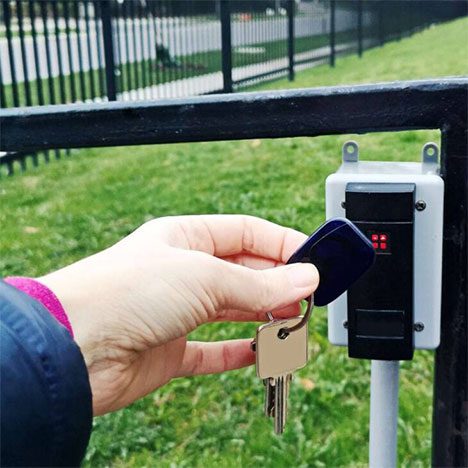
This includes keycards, PIN pads, biometric readers, and mobile credentials.
Access control answers questions like:
- Who is allowed in here?
- At what time?
- Should this person still have access?
Unlike CCTV, access control actively blocks unauthorised entry. If someone doesn’t have permission, the door simply won’t open.
CCTV vs Access Control: Key Differences at a Glance
- CCTV = Monitoring, recording, evidence, deterrence
- Access Control = Restriction, permission, prevention
CCTV shows you what happened.
Access control helps stop it from happening in the first place.
Which One Do You Actually Need?
The honest answer for most businesses is: both, but for different reasons.
- If your concern is visibility, accountability, or investigating incidents, CCTV is essential.
- If your concern is controlling who enters sensitive areas, access control is non-negotiable.
When combined, they create a layered security approach—access control limits entry, while CCTV verifies activity and provides oversight.
CCTV and access control aren’t competing systems—they’re complementary tools designed to solve different security problems. Choosing the right solution (or combination) depends on your premises, risks, and operational needs.
If you’re unsure what’s right for your site, the best next step is a professional evaluation.
Contact us for a free quote and on-site assessment
Find the security solution that actually fits your business—not just one that sounds good on paper. When businesses think about security, two solutions usually come up first: CCTV and access control. Understanding what each system is designed to do and what it can’t do is essential if you want effective security rather than a false sense of protection.