How does thermal CCTV work?
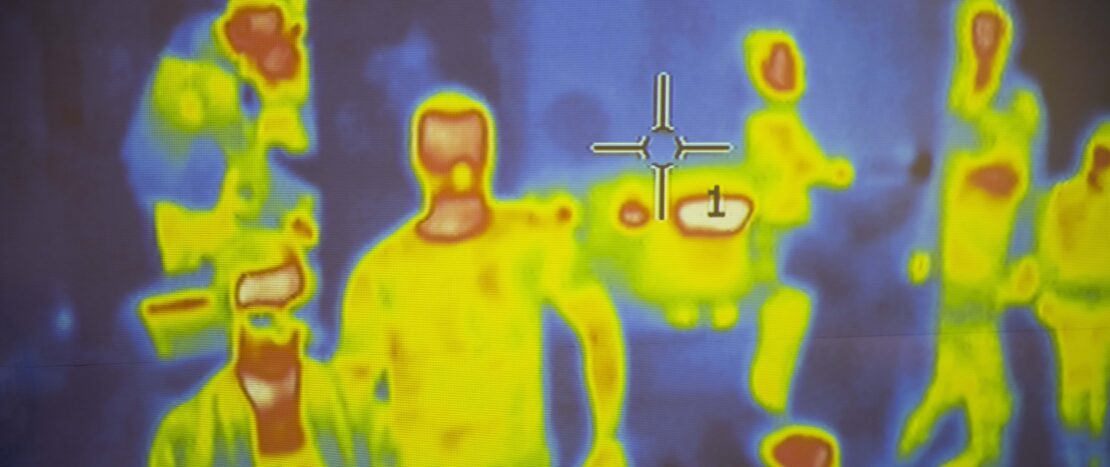
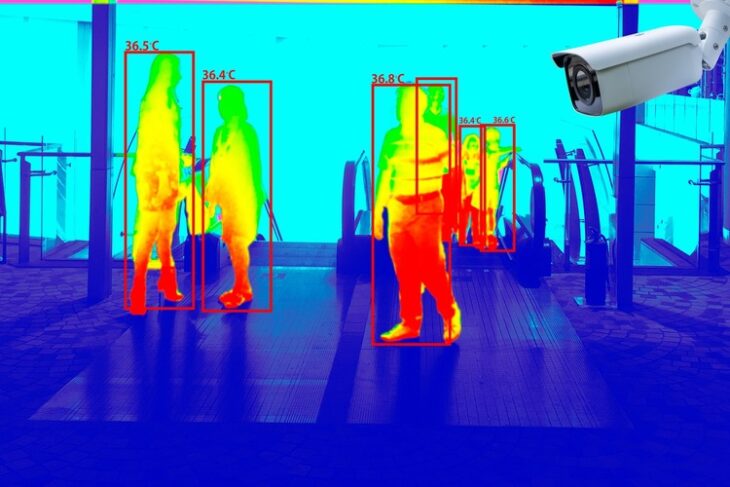
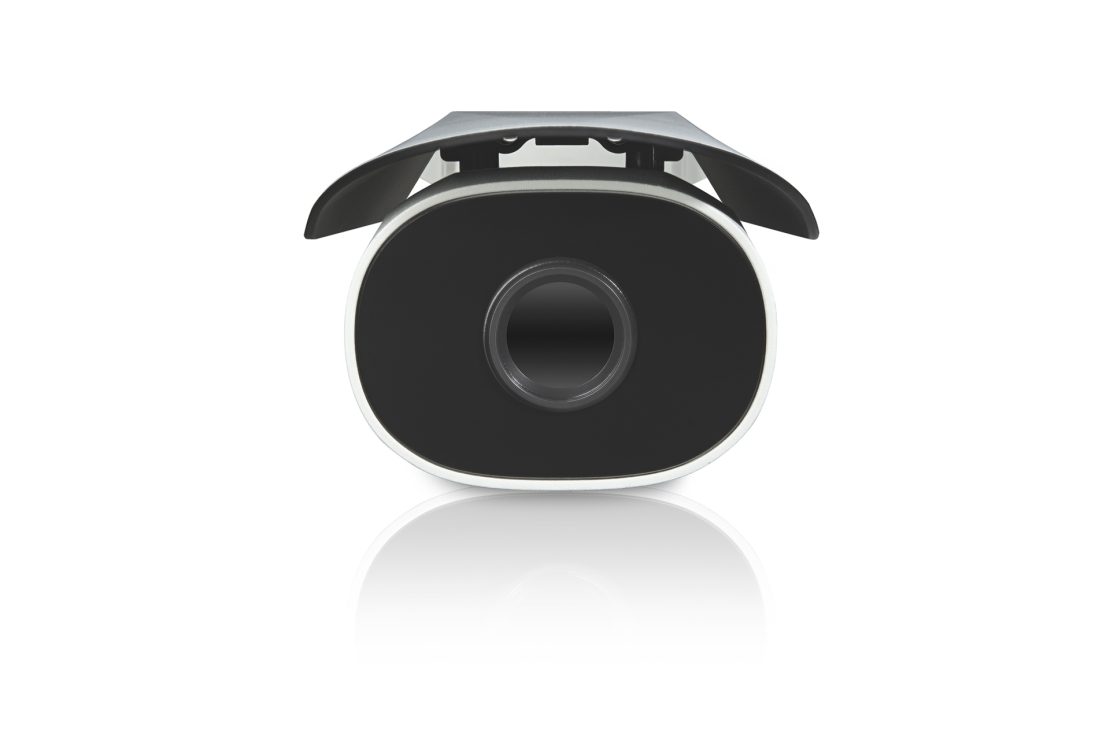
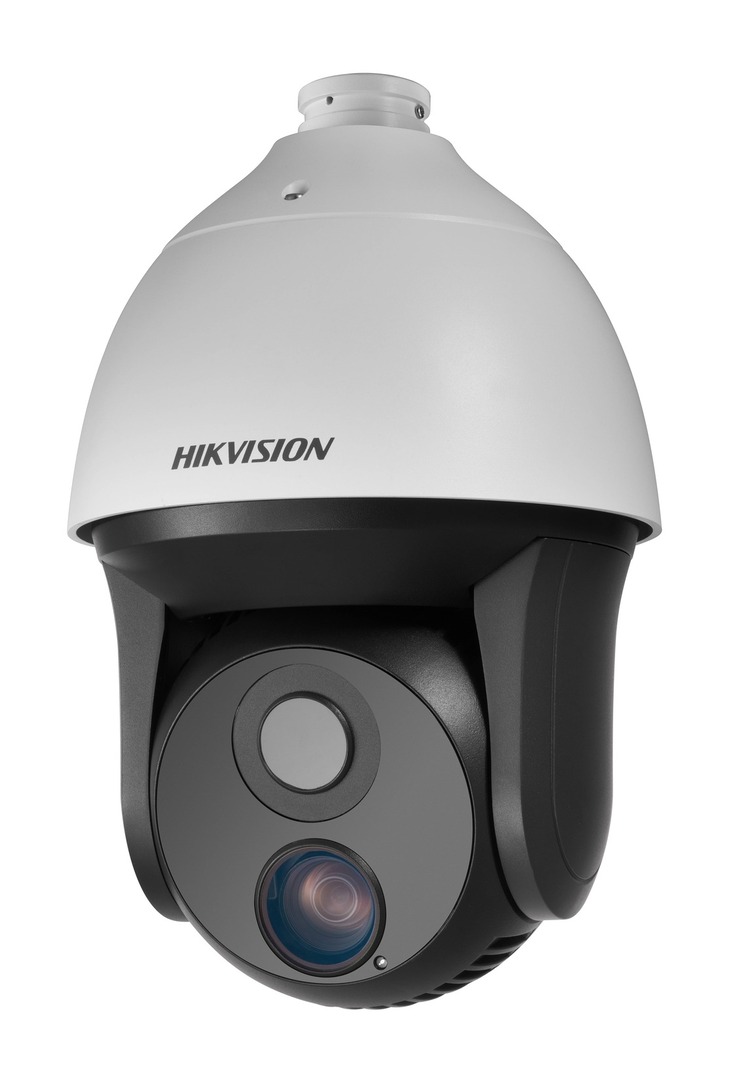
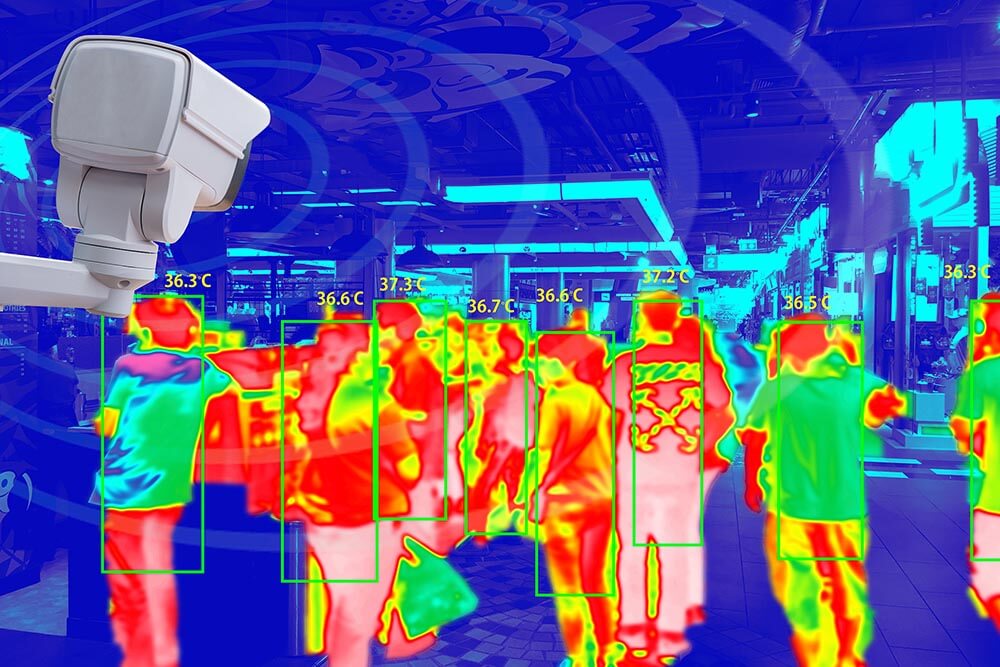
Thermal CCTV and heat sensor cameras essentially work by highlighting the heat radiation given off by any object.
Regular CCTV cameras require reflected light to produce visible footage. In harsh weather conditions and at night, camera footage will therefore be restricted. To negate the impact of harsh external conditions and low lighting, thermal CCTV cameras are the idea solution as they pick up sources of heat as opposed to objects
Furthermore, another major benefit of thermal CCTV camera systems is they greatly reduce the number of false alarms that are typically associated with regular cameras. For businesses operating sites in rural locations, wildlife can often be an issue. Animals grazing will often trigger sensors, increasing the overall risk of false alarms. False alarms waste time, and impact the effectiveness of a security camera system. AI technology allows these images to be analysed, therefore differentiating between an animal and an intruder. As AI technology continues to evolve and become more accessible, thermal imaging CCTV security cameras are becoming highly sought after.
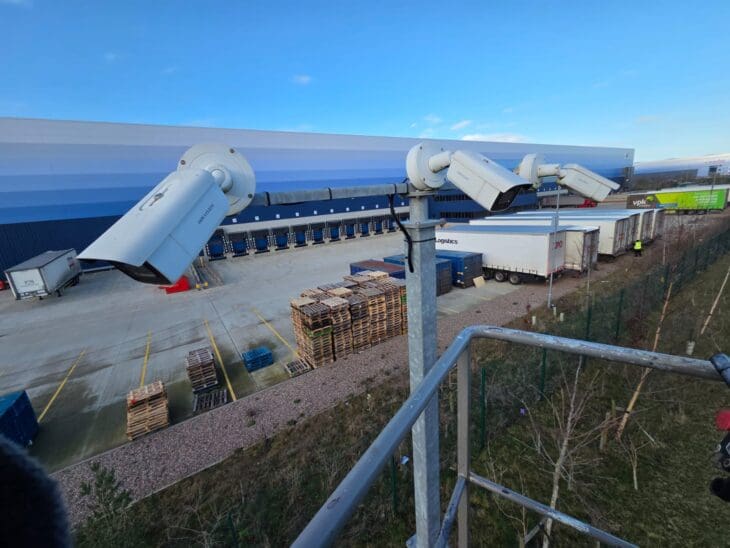
Distance is another core factor in considering thermal CCTV over regular IP and Ultra HD systems. Thermal CCTV cameras will spot potential threats at distance.This renders thermal CCTV solutions as an ideal solution for organisations operating offshore wind farms and government agencies protecting our borders against migrant boat crossings. Additionally, if threats are spotted at distance, they can be dealt with effectively as a security team will have the time to take the appropriate action.
If you are looking to keep your site and buildings secure, regardless of its location, weather conditions and lighting, thermal CCTV is your best option.
Looking to discuss a project or have a question to ask? Talk to an expert now on 0800 689 1835